Why Are Travel Companies Choosing to Scrape Google Flights Airline Price Data?
Introduction
The travel scene today is more cutthroat than ever. Airlines are constantly changing prices, travelers are going from one screen to another before they even press the book button, and a new route can change everything in a day. It is fast, it is chaotic, and in today's fast business world, businesses can't depend on old-fashioned reports or guesses from manual research.
What really sets top travel companies apart is that they know what's next in the market before anyone else. They got the feel of it; they know when the prices are going up, which places are suddenly popular, and how our competition is changing. From flight airline price data, organizations get airline prices, trends, and patterns to get a clearer picture of what's really going on in the market.
By the ability to scrape Google Flights airline price data, companies can take messy flight data and turn it into something real; companies can set prices smarter, understand market trends, predict demand, and outmaneuver their competitors. Instead of waiting till trends hit and catching up, they are able to anticipate what's coming, staying ahead of the curve.
Why Airline Pricing Data Has Become a Business Asset?
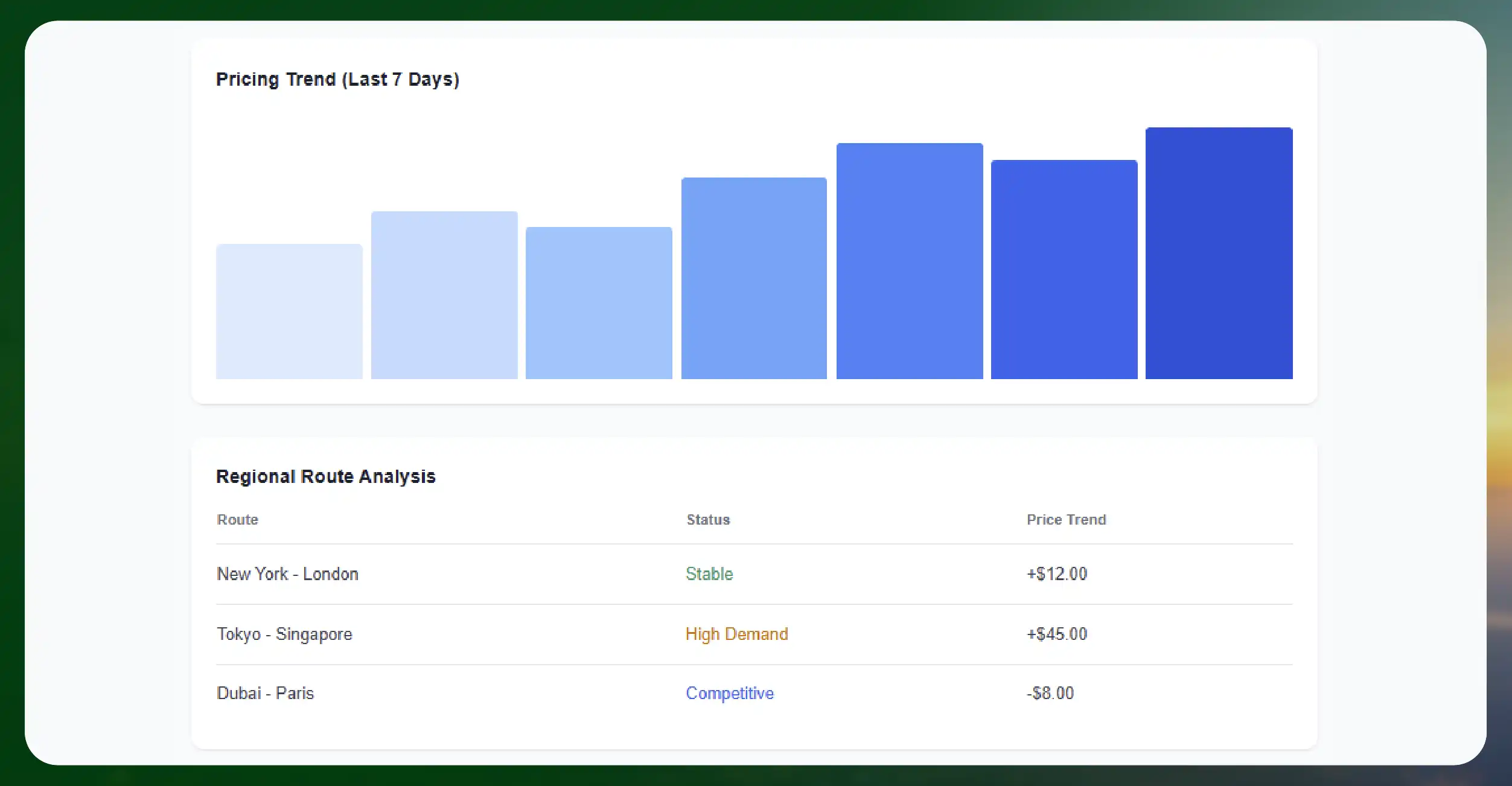
At first sight, a flight ticket price just looks like a number, but that number actually tells you a story about supply and demand, competition, and travelers' behavior.
For airlines, travel agencies, tourism boards, and travel tech companies, pricing data is a constant reminder of the state of the market. A hike in prices would probably mean more people would want to come. If the price drops, then there is more competition or fewer bookings.
With real-time airline pricing knowledge, businesses can base their decisions on the market instead of the previous quarter.
Seeing Opportunities Through Route-Level Analysis
Every route has its own rhythm; some are busy all the year, and others only when holidays, festivals, or travel seasons occur.
Route wise airline pricing Data analysis digs in to airline pricing data broken down by route; businesses can spot hidden trends and insights that might not jump out at you right away. They can see where people are traveling more and where the destinations are more popular. They can see where the airlines are selling the cheap tickets at.
These help companies make better travel packages and marketing and know which markets they should spend more resources in.
Tracking More Than Just Ticket Prices
Price is only one piece of the puzzle.
"Airline schedules always reveal market movements before prices reveal their move. A carrier adding more flights to a route may be because a lot of people are traveling on that route. Likewise, reduced frequencies can indicate changing market conditions.
Businesses that scrape flight schedules from Google Flights can see expansions, changes of frequency, and airline networks that explain why the prices are changing.
Looking at schedules and fare data makes things a lot clearer for travel.
Understanding What Travelers Are Looking For
Traveler habits are always on the move; new places keep popping up as favorites, booking patterns shift around, and what people want from their trips changes as the economy and culture evolve.
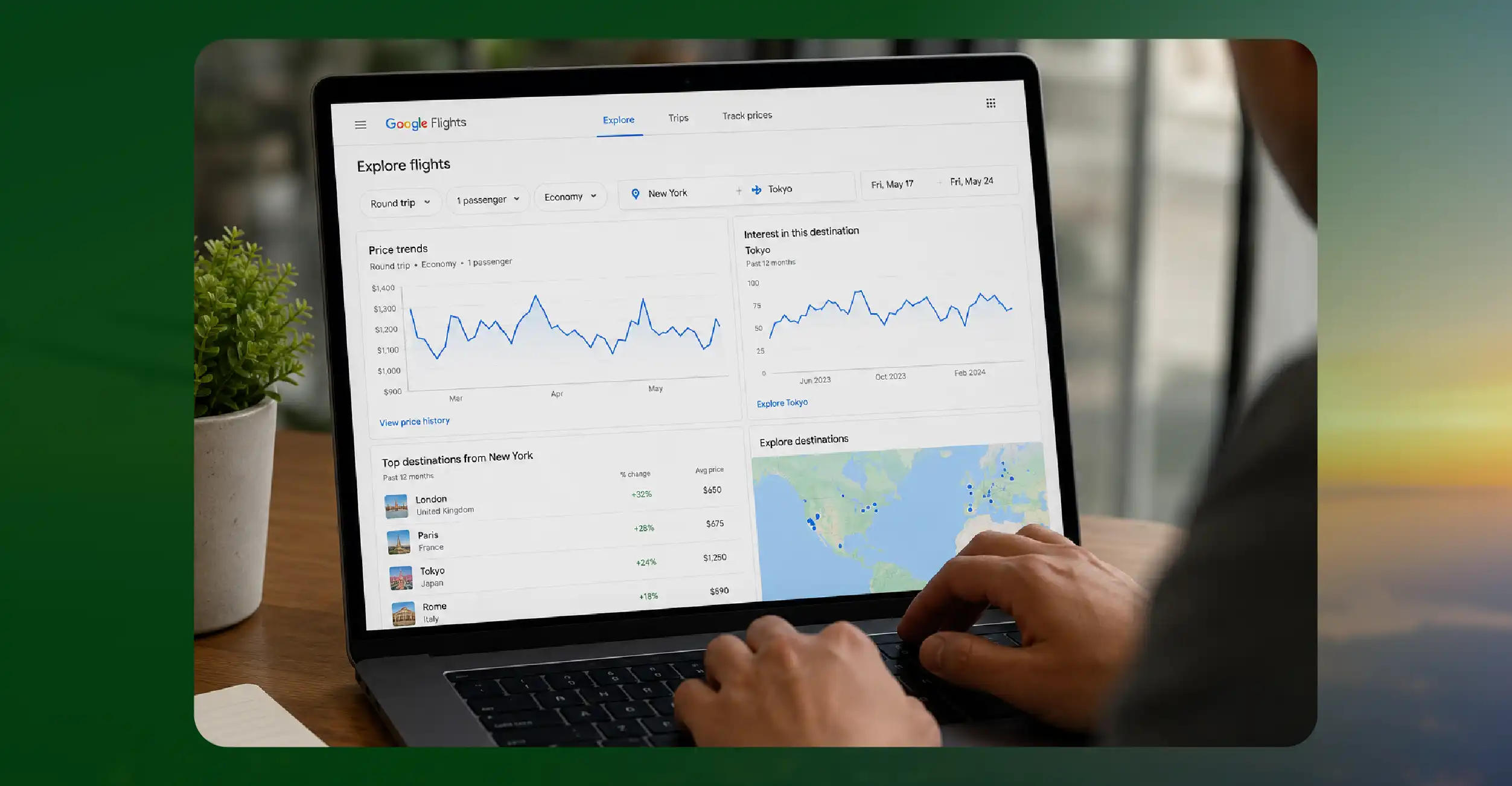
That’s where Google Flights passenger booking trend analytics really shine; it's super helpful for spotting what’s happening in
By looking at how people book trips and what destinations they’re most excited about, companies can get a clearer picture of where the travel demand is headed and plan accordingly. Travel companies can tweak their promotions, tourism groups can fine-tune their marketing, and airlines can better match their flights to what travelers are actually expecting, all to make things run more smoothly instead of guessing; they pull insights straight from what real travelers are actually doing.
Looking Beyond Local Markets
Travel isn’t just about hopping from place to place; it’s a worldwide industry. What’s happening in one corner of the globe can ripple out.
Through global flight pricing extraction using Google Flights data, businesses can monitor airfare movements across international markets and compare pricing trends between destinations, countries, and airlines.
For businesses thinking about growing or stepping into new travel segments, this broader view helps them spot chances that a local-only analysis might miss.
Global intelligence often spots emerging trends before they even become mainstream, giving those who pay attention a head start.
Seasonal Trends Still Shape Travel Demand
Even with all the tech advances and shifting traveler preferences, seasonality still plays a huge role in shaping the travel industry; it's one of the most powerful forces out there.
What people choose to do on vacation really depends on a bunch of things, like school breaks, local festivals, the weather, and big events happening nearby. All of these factors play a part in where they go and how they book their flights.
Using Google Flights seasonal airline analytics for tourism markets data, businesses can better anticipate these shifts and prepare accordingly. Understanding seasonal demand helps optimize promotions, forecast booking activity, and improve operational planning.
For tourism-focused businesses, these insights can make the difference between reacting to demand and preparing for it.
Staying Ahead of Competitors
"Competition in the airline industry moves fast."
Promotion of one carrier affects the price of the market within hours. Businesses that don't know what their competitors are doing will always be reacting too late.
In this way, by airline competitor price monitoring, they can see if the prices of the airlines have gone up or down, or if they have promotions or discounts.
This allows them to compare and see how well they are doing and see what they can do to make a better move.
How Web Data Scraping Services Turn Data Into Growth
"The true value of airline data isn't in collecting it but in using it."
Businesses that extract Google Flights Travel Data API gain travel intelligence that can make better predictions on revenue, market research, pricing, and finding new opportunities faster than their competitors.
Having good travel information helps companies not to take a risk when they are making a big decision, but expanding into new markets, launching new services, and refining existing ones. Using data helps us grow in a better way.
Need Reliable Airline Market Intelligence? Businesses looking to gain a competitive edge can leverage solutions to scrape Google Flights travel data and access structured insights that support smarter decision-making across the travel ecosystem.
Why iWeb Data Scraping?
At iWeb Data Scraping, we understand that having travel data is not enough; we need more. What really matters is what you do with it. What really counts is taking that data and making it into useful information so teams can make better, quicker, and more confident calls.
Our team help scrape Google Flights travel data to give businesses a better view of what's going on in the air travel world, like how prices shift, which routes are flying high, where travelers are going, and how competitors are stacking up. No matter if you're watching the fluctuations in airfares, scouting out new travel destinations, predicting the demand on certain seasons, or analyzing your competition, our tools will give you the smart moves to stay one step ahead of this fast-moving industry.
With our ability to extract Google Flights Travel Data API, companies can have clean travel data. Instead of wasting time collecting and sorting data, they can focus on what really matters: finding market opportunities, changing the prices, and improving customer services, with the help of the latest travel data.
What really makes us different is how we turn complicated travel data into real, practical value for your business. We use the latest technology for data extraction and our custom web scraping services to help businesses get information faster, see the market clearly, and find hidden trends that can make the biggest difference. We have created it for businesses to keep track of everything: real-time airline pricing, real-time flight schedules, bookings, and market trends from travel. We bring everything from multiple sources for you.
Conclusion
Travel is one of the most dynamic industries out there, always evolving, always on the move. Airfare prices can change in the blink of an eye, travelers’ tastes and priorities keep shifting, and the competition? Well, it’s always moving, rarely staying still for long. Companies that catch these shifts early usually get a real edge over the competition. By tapping into Google Flights data, businesses can get a clearer picture of travel trends, predict demand more accurately, and make smarter decisions all grounded in real, up-to-date travel patterns instead of guesswork.
If you’re a company trying to get a better handle on how travelers behave, which destinations are rising in popularity, and what’s shaping the future of tourism, then comprehensive Travel & Tourism App Datasets can give you the insights you need to navigate the big picture of the travel world.
If your organization wants to make sense of big travel datasets and turn messy data into smart, useful insights, you can tap into powerful travel data extraction services. These tools help with everything from market research to predicting demand and shaping smarter business strategies.
For businesses that need up-to-the-minute travel insights around the clock, powerful Web Scraping API services are a game-changer. They automate the grind of data collection, free up valuable time, and deliver real-time intel that keeps you ahead in a fast-moving travel landscape.
Experience top-notch web scraping service and mobile app scraping solutions with iWeb Data Scraping. Our skilled team excels in extracting various data sets, including retail store locations and beyond. Connect with us today to learn how our customized services can address your unique project needs, delivering the highest efficiency and dependability for all your data requirements.