
The rapid evolution of quick commerce has made hyperlocal logistics the backbone of modern grocery delivery platforms. Among these, Blinkit has emerged as a leader by leveraging dark stores strategically located across cities to ensure ultra-fast deliveries. Understanding Pin-code wise Blinkit Dark Store Coverage Area Mapping has become essential for businesses aiming to analyze market penetration, optimize supply chains, and improve customer reach.
In today’s data-driven landscape, companies increasingly rely on techniques to scrape Blinkit hyperlocal delivery coverage data to uncover granular insights about operational zones. These insights help identify which pin codes are serviced, how delivery promises vary, and where expansion opportunities exist. Similarly, the ability to Extract Blinkit city-wise coverage data allows brands to evaluate geographic distribution and demand clusters effectively.
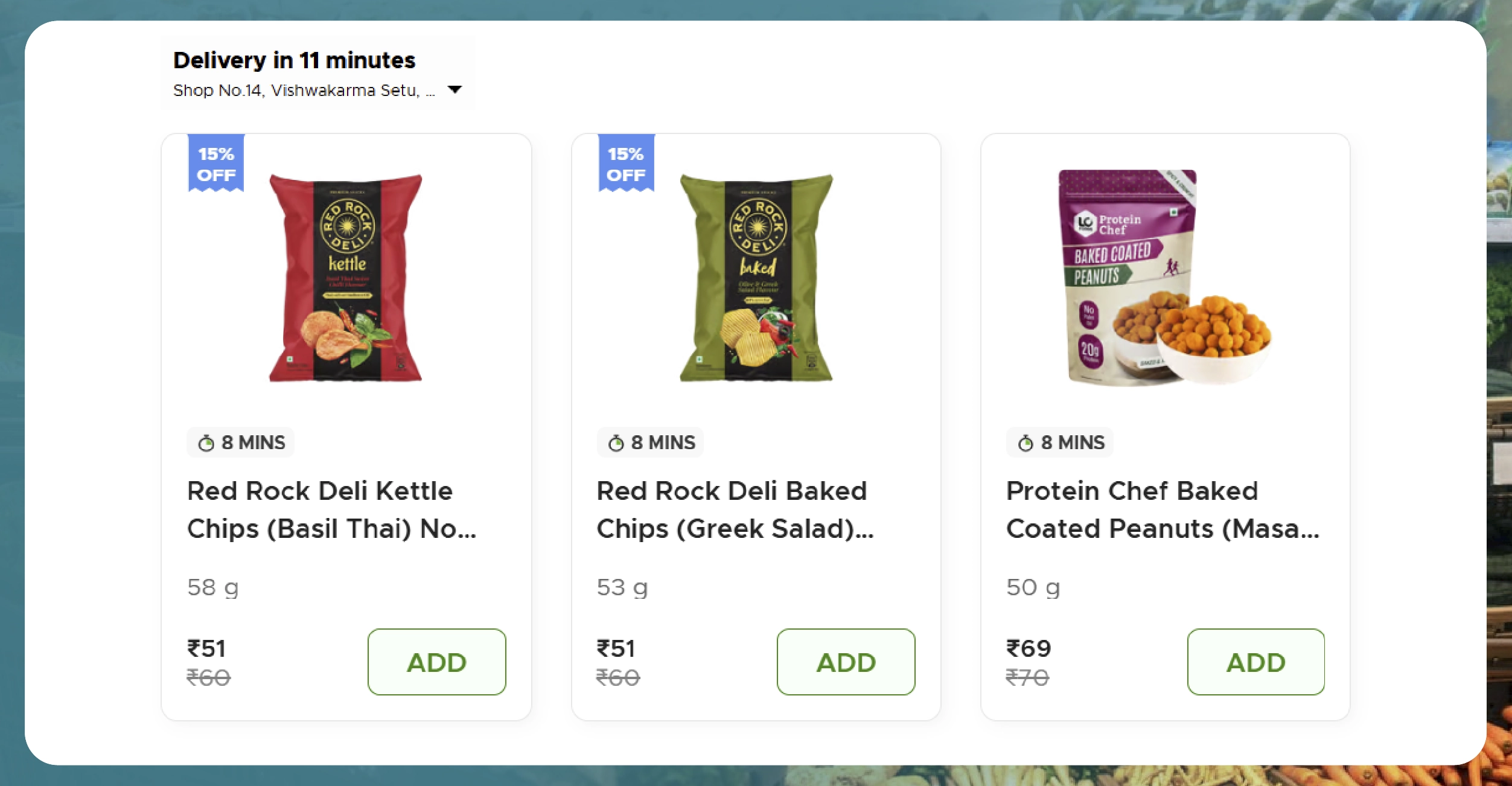
Dark stores are micro-fulfillment centers dedicated exclusively to online order processing. Unlike traditional retail outlets, they are strategically positioned to serve specific neighborhoods within tight delivery timelines.
Mapping these stores pin-code wise involves identifying:
When businesses Scrape Blinkit dark store coverage areas, they gain visibility into how Blinkit optimizes logistics across densely populated and emerging regions. This mapping is critical for understanding both operational efficiency and competitive positioning.
TPin-code level mapping goes beyond city-level analysis and dives deep into hyperlocal insights. It reveals patterns that are otherwise invisible in aggregated data. For example:
A structured Blinkit delivery coverage mapping dataset helps organizations analyze these variations and align their strategies accordingly. This granular approach supports better decision-making in marketing, logistics, and expansion planning.
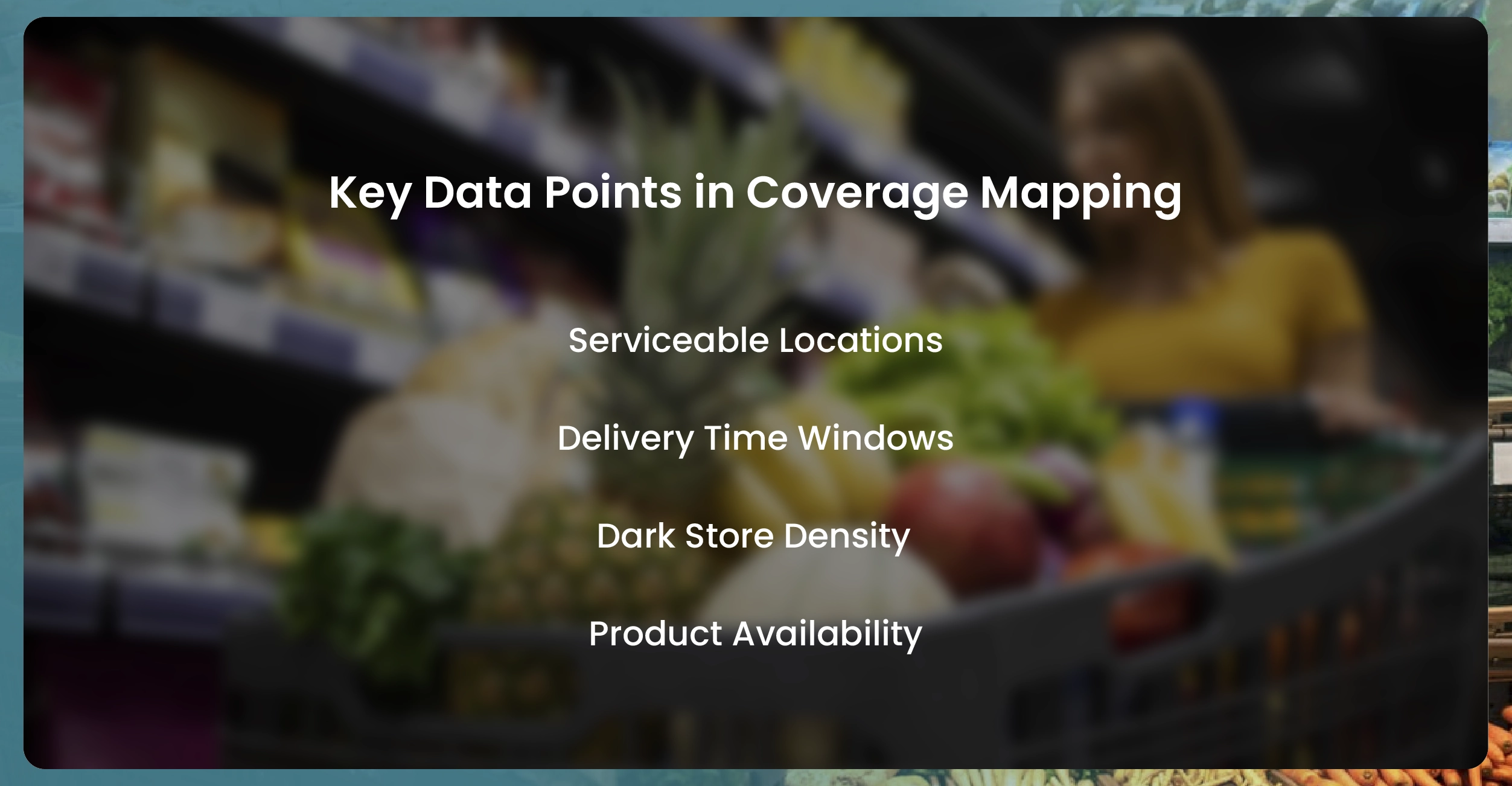
To build a comprehensive mapping model, several critical data points are extracted:
Serviceable Locations
Identifying which pin codes are active delivery zones helps businesses understand Blinkit's reach and limitations.
Delivery Time Windows
Different areas may have varied delivery commitments such as 10-minute, 15-minute, or scheduled deliveries.
Dark Store Density
Areas with higher store density often indicate strong demand and optimized logistics networks.
Product Availability
Certain products may only be available in specific regions, reflecting localized inventory strategies.
When organizations Extract Blinkit location-wise delivery coverage, they gain actionable insights into these parameters, enabling smarter business decisions.
Unlock actionable insights today by leveraging Pin-code Wise Blinkit Dark Store Coverage Area Mapping for smarter growth.
Pin-code wise mapping is not just a technical exercise—it delivers tangible business value across multiple domains.
Market Expansion Strategy
Brands can identify underserved areas and plan targeted expansion initiatives based on real demand signals.
Competitive Benchmarking
Understanding Blinkit’s operational footprint helps competitors evaluate their own coverage gaps and opportunities.
Demand Forecasting
Coverage data combined with order trends enables accurate demand prediction at a micro-market level.
Logistics Optimization
Businesses can redesign supply chains by analyzing delivery efficiency and store placement.
These insights are often derived from structured Blinkit Grocery Datasets, which provide a comprehensive view of product availability, pricing, and delivery coverage.
The complexity of hyperlocal delivery systems makes manual data collection nearly impossible. Automated extraction plays a vital role in gathering accurate and scalable insights.
Through advanced Blinkit Grocery and Supermarket Data Extraction, businesses can continuously monitor changes in coverage areas, store openings, and service expansions. This ensures that decision-makers always have access to up-to-date information.
Similarly, Grocery Data Scraping Services enable companies to collect real-time data across multiple cities and pin codes, creating a unified dataset for analysis.
Creating a reliable mapping system requires integrating multiple data layers. A robust Grocery and Supermarket Store Dataset typically includes:
By combining these elements, businesses can develop a holistic view of Blinkit’s operational ecosystem.
Despite its advantages, pin-code level mapping comes with its own set of challenges:
Dynamic Data Changes
Blinkit frequently updates its coverage areas, making it essential to maintain real-time data pipelines.
Geographic Complexity
Urban areas with dense populations may have overlapping service zones, complicating analysis.
Data Standardization
Different cities may follow varied formats for pin codes and address structures.
Scalability
Handling large volumes of hyperlocal data requires robust infrastructure and automation.
Overcoming these challenges requires advanced tools and scalable solutions designed for continuous data extraction and processing.
Organizations leveraging coverage mapping gain a competitive edge in several ways:
These benefits highlight the importance of investing in reliable data extraction and analytics frameworks.
1. Comprehensive Coverage Mapping
Our solutions provide accurate pin-code level insights by extracting hyperlocal delivery zones, enabling businesses to understand Blinkit’s operational footprint and identify high-demand areas for strategic expansion planning.
2. Real-Time Data Updates
We ensure continuous monitoring of coverage changes, helping clients stay updated with dynamic delivery zones, store expansions, and service modifications across cities for timely and informed decision-making processes.
3. Scalable Data Infrastructure
Our systems handle large-scale data extraction across multiple regions, ensuring seamless integration of datasets and enabling businesses to analyze millions of data points without performance or accuracy issues.
4. Custom Data Solutions
We tailor datasets based on specific business needs, delivering actionable insights such as delivery timelines, store density, and product availability to support targeted strategies and operational optimization initiatives.
5. Advanced Analytics Integration
Our services integrate with analytics platforms, enabling businesses to transform raw data into meaningful insights, supporting forecasting, competitor benchmarking, and strategic planning with high accuracy and efficiency.
Pin-code level mapping of Blinkit’s dark store coverage is transforming how businesses understand and compete in the quick commerce ecosystem. By leveraging structured datasets and advanced extraction techniques, companies can gain deep insights into hyperlocal delivery dynamics.
Integrating solutions like Grocery Pricing Data Intelligence Services ensures scalable and accurate access to critical coverage data. Using Web Scraping API Services, businesses can gather real-time insights efficiently. Leveraging Web Scraping Services supports continuous monitoring of delivery zones across multiple locations. Combined with Digital Shelf Analytics Solutions, organizations can analyze trends and optimize operations effectively. These tools together help businesses make smarter decisions and drive growth in the competitive grocery delivery market.
Experience top-notch web scraping service and mobile app scraping solutions with iWeb Data Scraping. Our skilled team excels in extracting various data sets, including retail store locations and beyond. Connect with us today to learn how our customized services can address your unique project needs, delivering the highest efficiency and dependability for all your data requirements.
It refers to analyzing the geographic areas served by Blinkit’s dark stores, typically at a pin-code level, to understand delivery reach and logistics efficiency.
Pin-code level data provides granular insights into delivery zones, helping businesses identify demand patterns, optimize logistics, and plan targeted expansions.
Blinkit frequently updates its coverage areas based on demand, logistics improvements, and new store launches, making real-time data tracking essential.
Retail, logistics, FMCG brands, and market research firms benefit significantly from understanding hyperlocal delivery coverage and consumer demand patterns.
Businesses can use it for market expansion, competitive benchmarking, demand forecasting, and improving supply chain efficiency through data-driven strategies.