
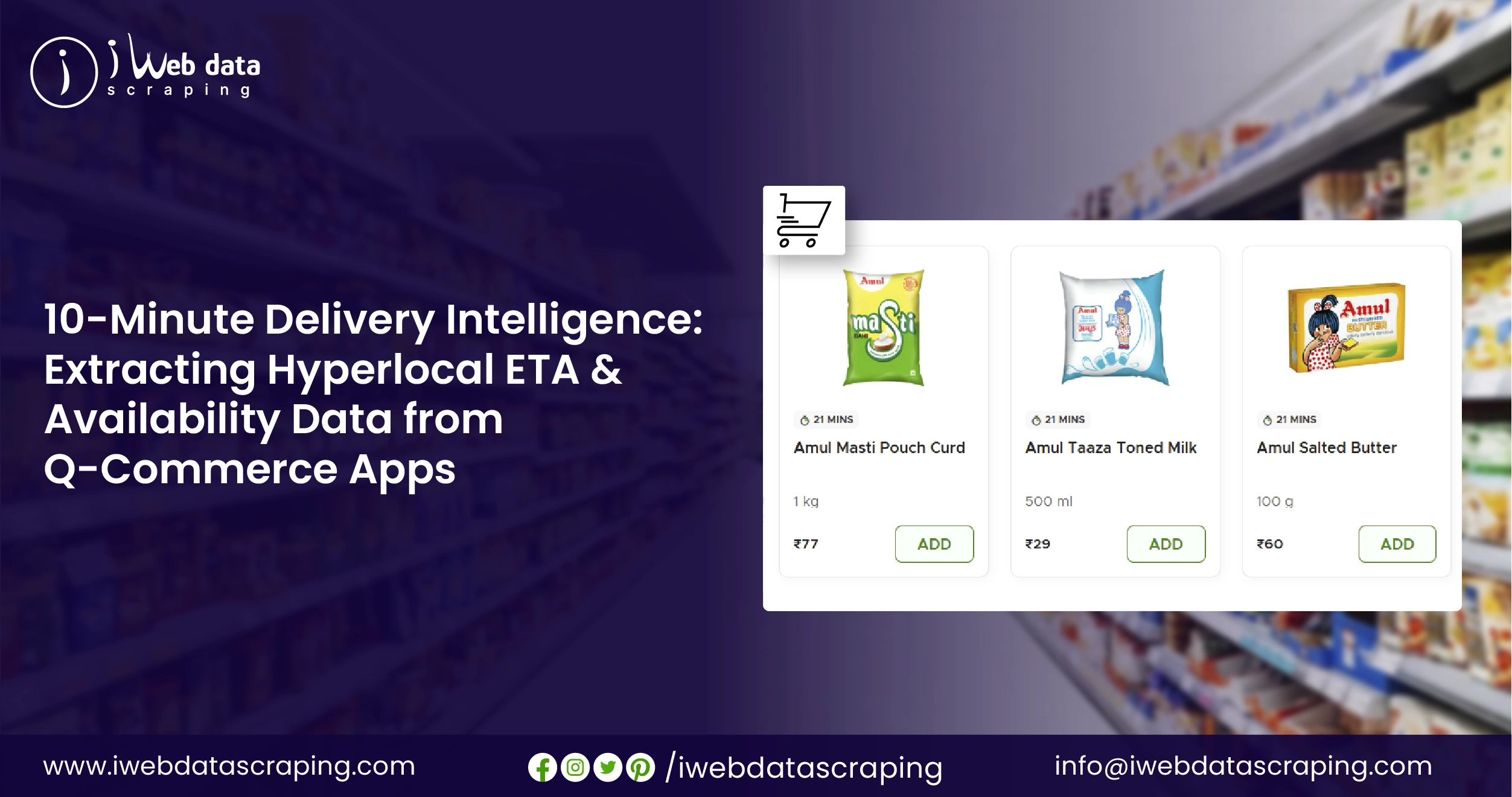
The rapid growth of quick commerce has transformed how consumers shop, with expectations of delivery within minutes rather than days. Businesses now rely heavily on real-time logistics intelligence to stay competitive. One of the most valuable insights comes when companies extract hyperlocal ETA & availability data from q-commerce apps to understand delivery promises at a granular level.
At the same time, the ability to scrape real-time delivery ETA & availability from quick commerce platforms enables brands to monitor competitor efficiency and service reliability. Additionally, organizations increasingly aim to extract delivery slot availability and ETA data to optimize supply chain decisions, improve customer satisfaction, and enhance operational planning.
Quick commerce platforms operate on a hyperlocal model where delivery timelines and product availability vary significantly across neighborhoods, pin codes, and even time slots. Unlike traditional eCommerce, where delivery windows are broader, q-commerce focuses on instant fulfillment.
This creates a dynamic environment where ETAs fluctuate based on factors such as demand spikes, rider availability, traffic conditions, and inventory levels at nearby dark stores. Extracting this data allows businesses to gain precise insights into real-time delivery performance.
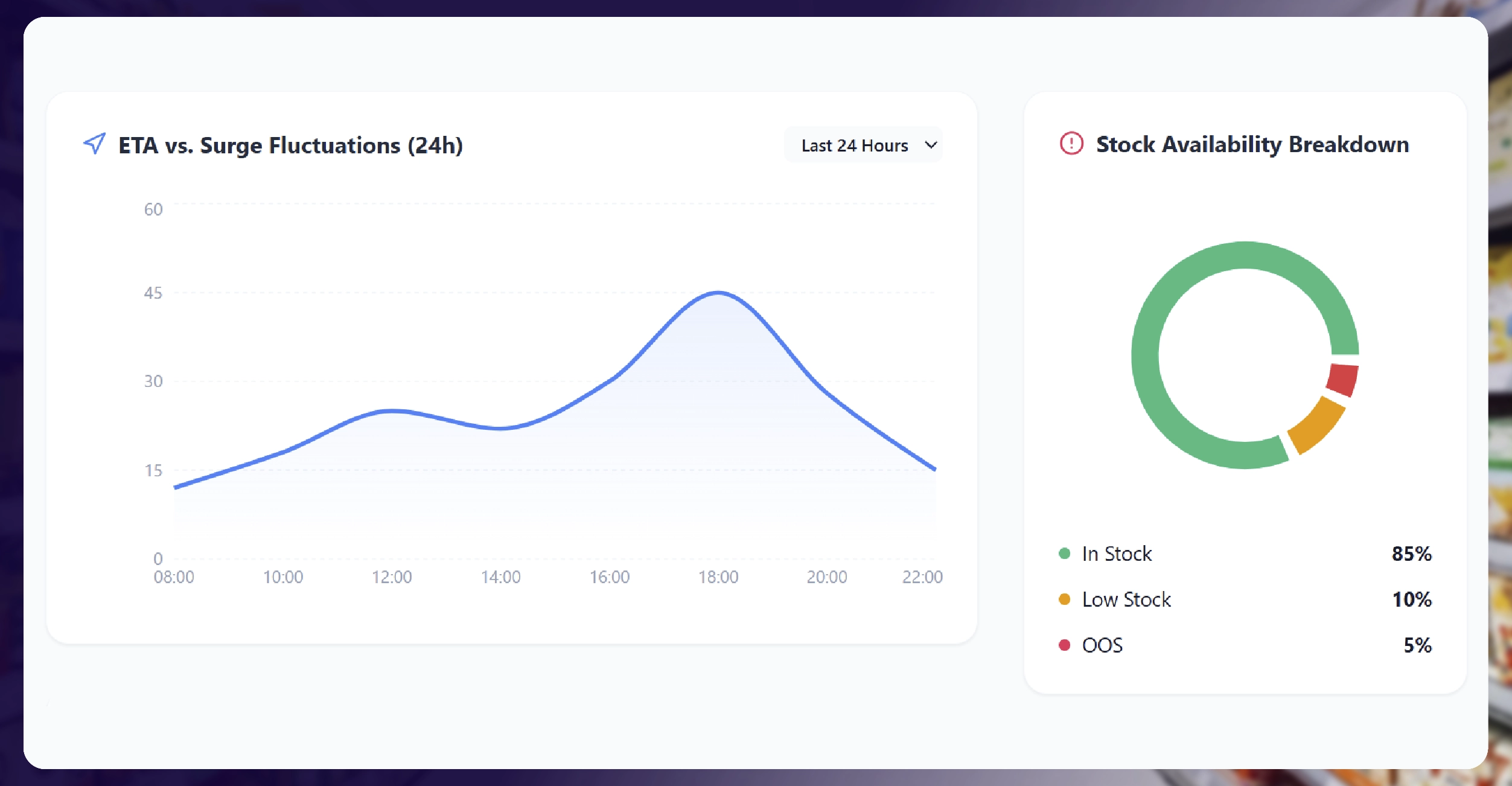
Hyperlocal Delivery ETA Data Scraping refers to the automated process of collecting estimated delivery times and product availability data from quick commerce platforms at a location-specific level.
This data typically includes:
Such granular insights are critical for brands, retailers, and aggregators seeking to understand operational efficiency across micro-markets.
1. Competitive Benchmarking
Businesses can compare their delivery speed with competitors across different regions and identify performance gaps.
2. Customer Experience Optimization
Faster and more accurate delivery estimates directly impact customer satisfaction and retention.
3. Demand-Supply Alignment
Understanding availability patterns helps ensure better inventory planning and reduces stockouts.
4. Dynamic Pricing Strategy
Delivery speed often influences pricing decisions, especially in high-demand zones.
5. Operational Efficiency
Tracking ETA variations helps optimize logistics networks and delivery routes.
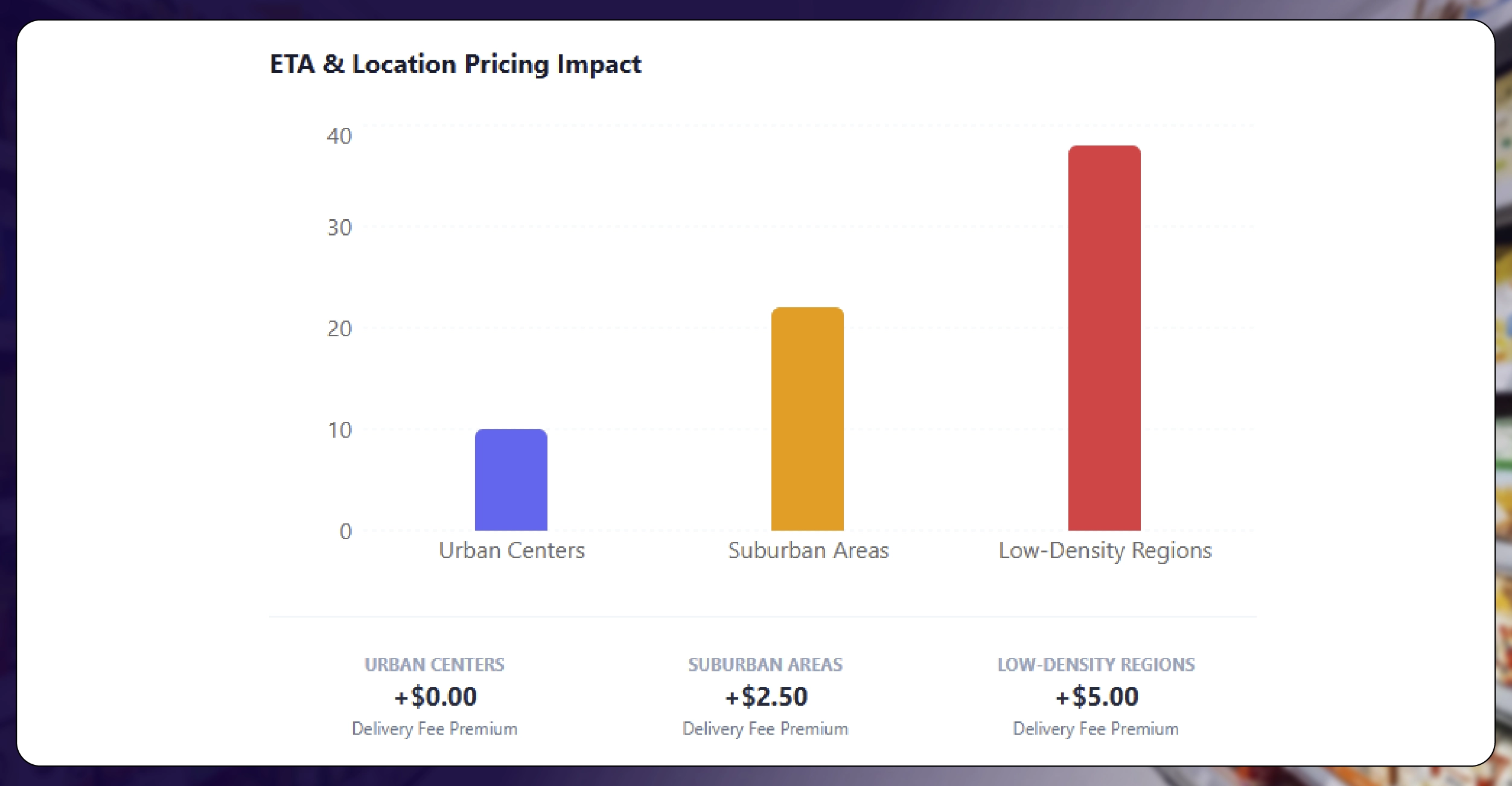
One of the most valuable applications is the ability to Analyze delivery ETA variations across different locations.
For example, a product may have:
By analyzing such variations, businesses can:
The ability to monitor delivery promises dynamically is essential in quick commerce. Real-Time ETA Tracking from Q-Commerce Apps enables businesses to track changes in delivery timelines as they happen.
This includes:
Real-time tracking empowers businesses to respond proactively instead of reacting after service failures occur.
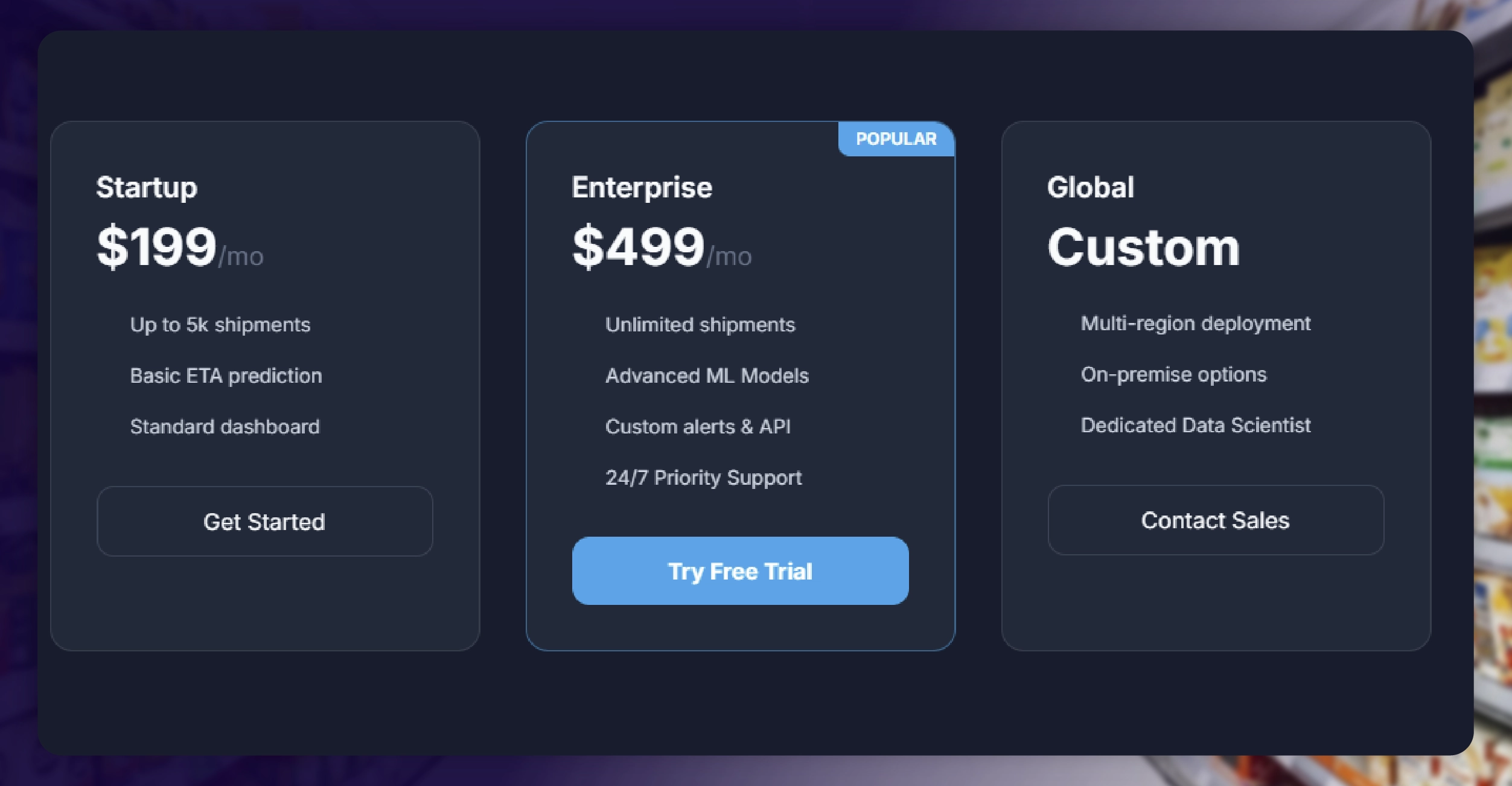
Modern analytics tools make it easier to derive actionable insights from raw data. Hyperlocal ETA Tracking Using Data Intelligence combines machine learning and data analytics to predict delivery trends and optimize performance.
Key benefits include:
This approach transforms raw data into strategic intelligence that drives business growth.
To Scrape delivery ETA data from q-commerce apps, businesses typically use advanced data extraction techniques such as:
Unlock real-time delivery insights and stay ahead in quick commerce—partner with us today to transform your data into a competitive advantage.
While the benefits are significant, extracting q-commerce data comes with challenges:
FMCG Brands
Understand how quickly products reach customers across different locations.
Retail Chains
Benchmark delivery performance and optimize fulfillment strategies.
Logistics Providers
Improve route planning and delivery efficiency.
Marketplaces
Enhance vendor performance tracking and service quality.
Data Analytics Firms
Build predictive models using Quick Commerce Datasets for business intelligence.
To effectively extract and use hyperlocal ETA data, businesses need a structured pipeline:
This pipeline ensures seamless data flow from extraction to actionable insights.
The future of quick commerce lies in predictive and autonomous delivery systems. Hyperlocal data will play a crucial role in:
Businesses that invest in data intelligence today will lead the next phase of innovation.
These practices help maintain efficiency, accuracy, and scalability.
1. Real-Time Delivery Intelligence
Our data scraping services capture real-time delivery ETA and availability insights across multiple locations, enabling businesses to monitor fluctuations, respond instantly to delays, and maintain competitive delivery performance in dynamic quick commerce environments.
2. Hyperlocal Market Visibility
We provide granular, location-specific data extraction that helps businesses understand delivery performance across neighborhoods, identify underserved areas, and optimize supply chain strategies for improved customer satisfaction and operational efficiency.
3. Competitor Benchmarking Insights
Our solutions enable continuous tracking of competitor delivery timelines and product availability, helping businesses compare performance, identify gaps, and refine pricing, logistics, and fulfillment strategies for stronger market positioning.
4. Scalable Data Automation
We implement automated, scalable scraping systems that collect high-volume data efficiently, ensuring consistent updates, minimal manual intervention, and seamless integration into analytics platforms for faster and smarter decision-making.
5. Actionable Data Analytics
Beyond extraction, we transform raw data into meaningful insights through advanced analytics, enabling businesses to forecast demand, optimize delivery networks, and enhance overall quick commerce performance with data-driven strategies.
Extracting hyperlocal ETA and availability data from quick commerce apps is no longer optional—it is a strategic necessity. Businesses that leverage this data gain a competitive edge through improved delivery performance, better inventory planning, and enhanced customer experiences.
By adopting advanced solutions like Quick Commerce & FMCG Data Extraction Services, organizations can unlock deeper insights into delivery patterns and consumer demand. Leveraging reliable Web Scraping API Services ensures seamless and scalable data collection, while robust Web Scraping Services help transform raw data into actionable intelligence for long-term success.
In a world driven by speed and convenience, hyperlocal data is the foundation for smarter, faster, and more efficient commerce.
Experience top-notch web scraping service and mobile app scraping solutions with iWeb Data Scraping. Our skilled team excels in extracting various data sets, including retail store locations and beyond. Connect with us today to learn how our customized services can address your unique project needs, delivering the highest efficiency and dependability for all your data requirements.
Hyperlocal ETA data refers to location-specific delivery time estimates provided by q-commerce platforms. It varies based on factors like distance, demand, inventory, and delivery partner availability within a specific neighborhood or pin code.
Extracting this data helps businesses monitor competitor performance, optimize delivery strategies, improve customer experience, and ensure better inventory planning by understanding real-time delivery capabilities across different locations.
Since delivery times and stock availability change rapidly, businesses should collect data in real time or at frequent intervals (every few minutes or hours) to ensure accurate and actionable insights.
Common challenges include dynamic data changes, geo-restrictions, anti-scraping mechanisms, handling large datasets, and ensuring data accuracy across multiple locations and timeframes.
Businesses can use these insights to optimize logistics, improve delivery speed, identify underserved areas, forecast demand, and enhance overall operational efficiency in quick commerce ecosystems.