
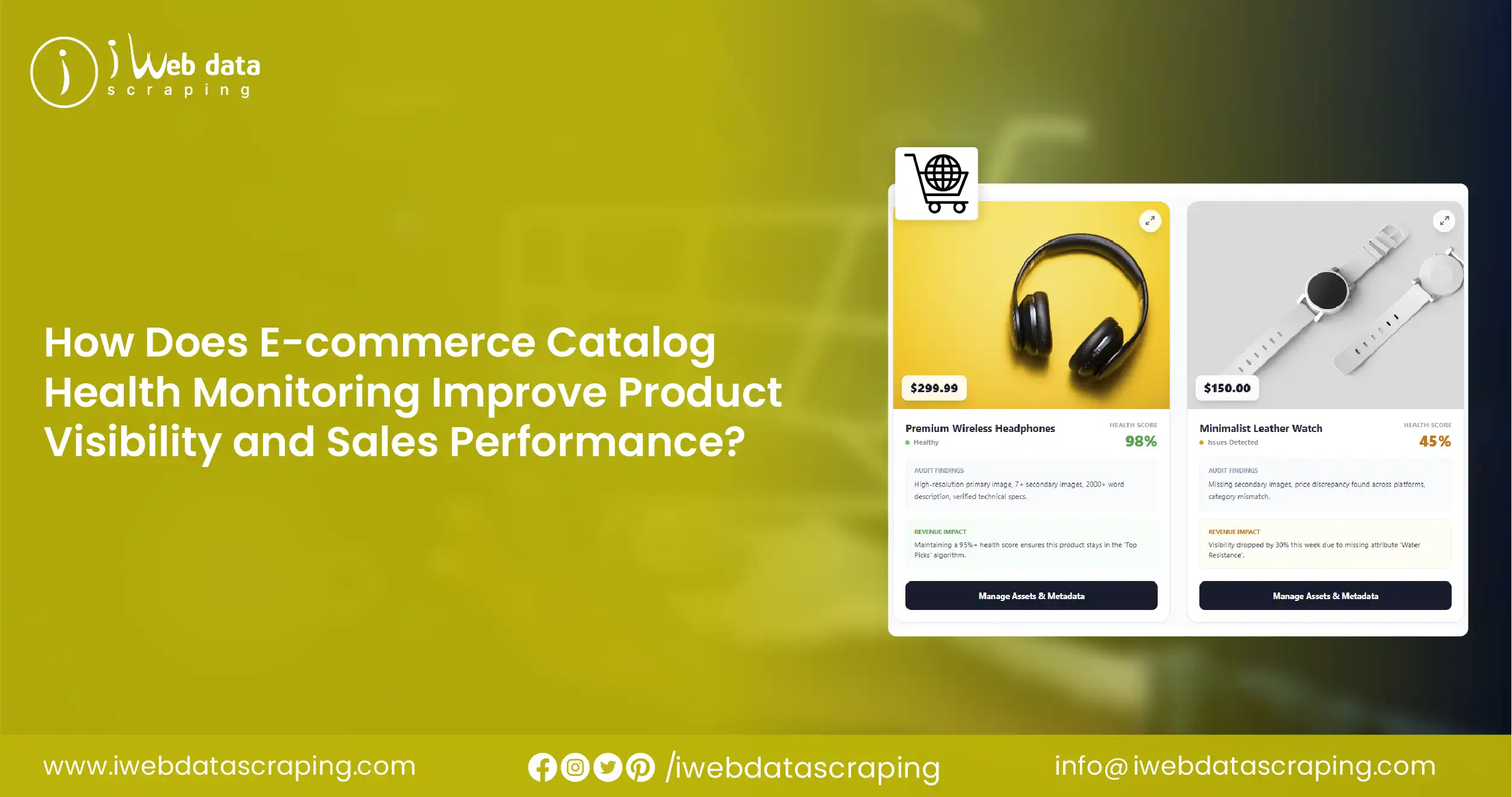
In today’s competitive online marketplace, product visibility directly determines revenue outcomes. Even high-quality products can underperform if their listings are incomplete, suppressed, or manipulated. This makes E-commerce Catalog Health Monitoring a foundational capability for brands and sellers aiming to maintain consistent performance across platforms.
To address these challenges, businesses now Extract catalog health monitoring system for ecommerce ecosystems that continuously evaluate listing quality and compliance. These systems help organizations proactively Detect listing suppression for ecommerce marketplaces, ensuring that products remain searchable, accurate, and aligned with platform guidelines. Instead of reacting to declining sales, companies can identify and fix issues before they escalate.
Catalog health refers to the overall quality, accuracy, and completeness of product listings. It includes multiple elements such as product titles, descriptions, images, pricing, availability, and categorization. When these components are properly optimized, listings perform well in search rankings and attract higher customer engagement.
However, catalog health is dynamic. Listings can degrade over time due to platform policy updates, competitor actions, or internal data inconsistencies. This is why continuous monitoring is essential rather than periodic checks.
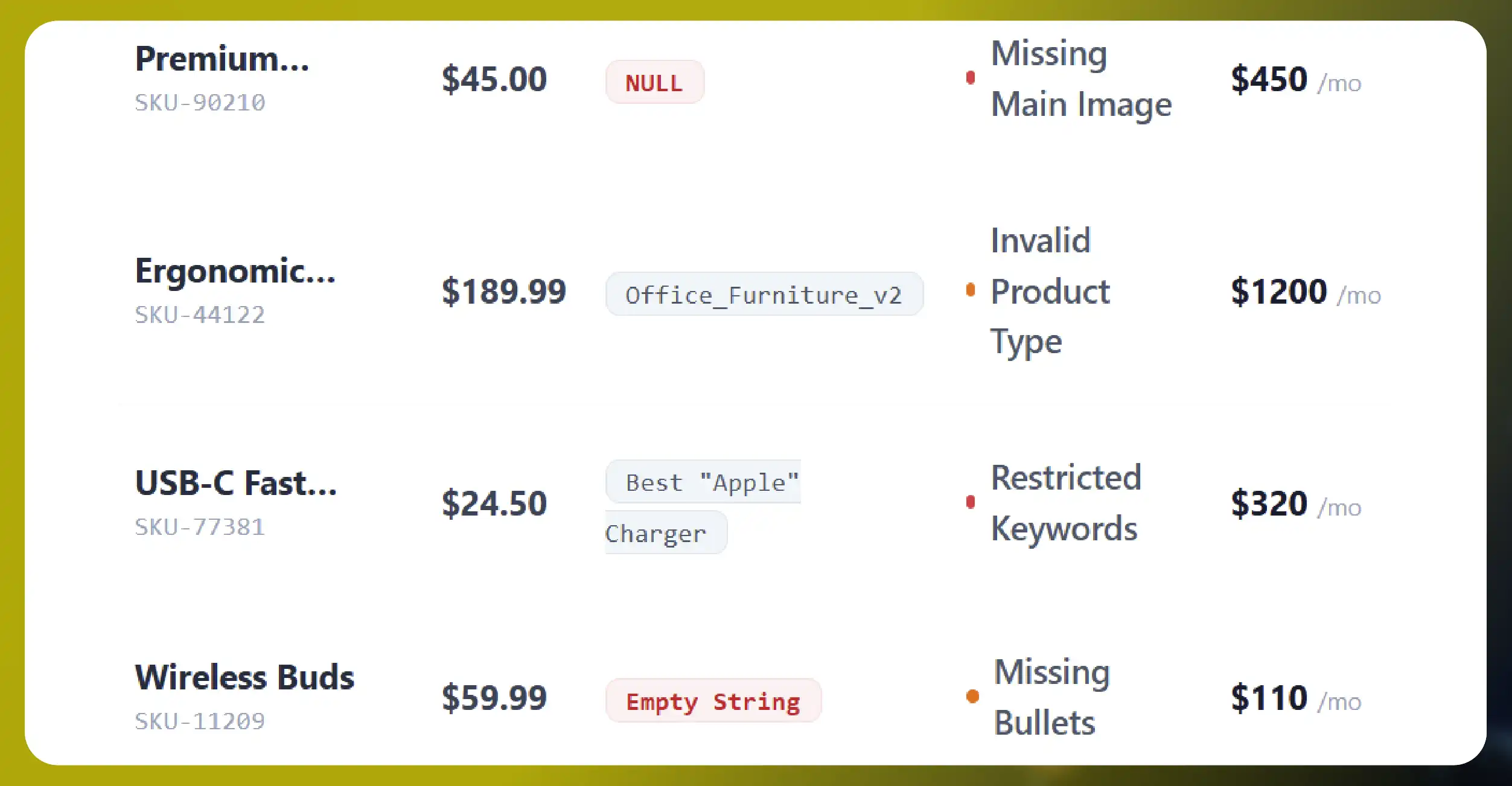
Listing suppression is one of the most critical issues affecting catalog performance. It occurs when a marketplace removes or hides a product from search results due to missing or incorrect information. Often, sellers are unaware of suppression until they notice a sudden drop in impressions or sales.
A key approach to identifying such problems is listing errors affecting product visibility data scraping, which helps uncover hidden issues like incomplete attributes, policy violations, or formatting inconsistencies. These insights allow businesses to resolve errors quickly and restore listing visibility.
Suppression not only reduces discoverability but also disrupts sales momentum and impacts overall marketplace ranking. Addressing it promptly is essential for maintaining consistent performance.
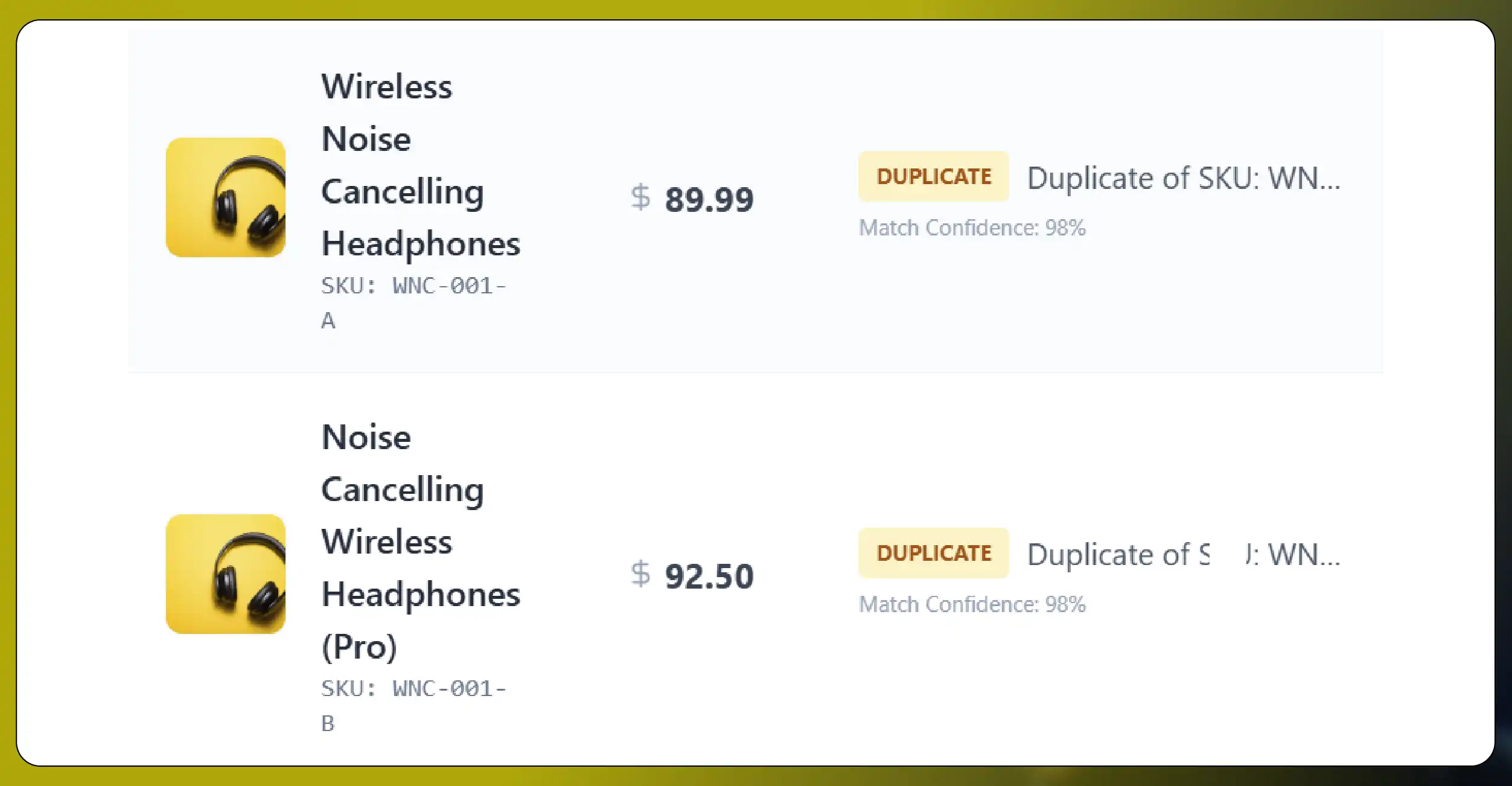
Duplicate listings are another major factor that weakens catalog health. They often arise when the same product is uploaded multiple times with slight variations in data. This leads to fragmented traffic, inconsistent reviews, and reduced algorithmic efficiency.
By implementing processes to Scrape duplicate listings and catalog errors data, businesses can identify and eliminate redundancies within their catalogs. This improves data consistency and ensures that customer engagement is concentrated on a single, optimized listing.
Catalog errors also extend to incorrect specifications, broken images, or outdated information. These issues negatively affect customer trust and conversion rates, making it essential to maintain clean and accurate product data.
Take control of your catalog performance today with smarter data scraping solutions that protect visibility, accuracy, and revenue growth.
For businesses managing large inventories, visibility at the SKU level is crucial. Each product must be tracked individually to ensure consistency across multiple platforms. Without this level of detail, errors can go unnoticed and impact performance over time.
The ability to Track SKU-level listing health across ecommerce platforms enables organizations to monitor changes in real time. It ensures that pricing, availability, and product information remain aligned across channels, reducing discrepancies and improving operational efficiency.
SKU-level monitoring also helps prioritize actions by identifying which products are most affected by errors or suppression.
Listing hijacking is a growing concern in e-commerce, particularly for well-performing products. Unauthorized sellers may attach themselves to an existing listing and alter key details such as pricing or descriptions. This can lead to customer dissatisfaction and brand damage.
Using Product listing hijack detection Using Data Scraping, businesses can monitor unusual changes in listings and identify unauthorized seller activity. Early detection is critical, as it allows brands to take immediate corrective action and maintain control over their product representation.
Protecting listings from hijacking is not just about safeguarding revenue; it is also about preserving customer trust and brand integrity.
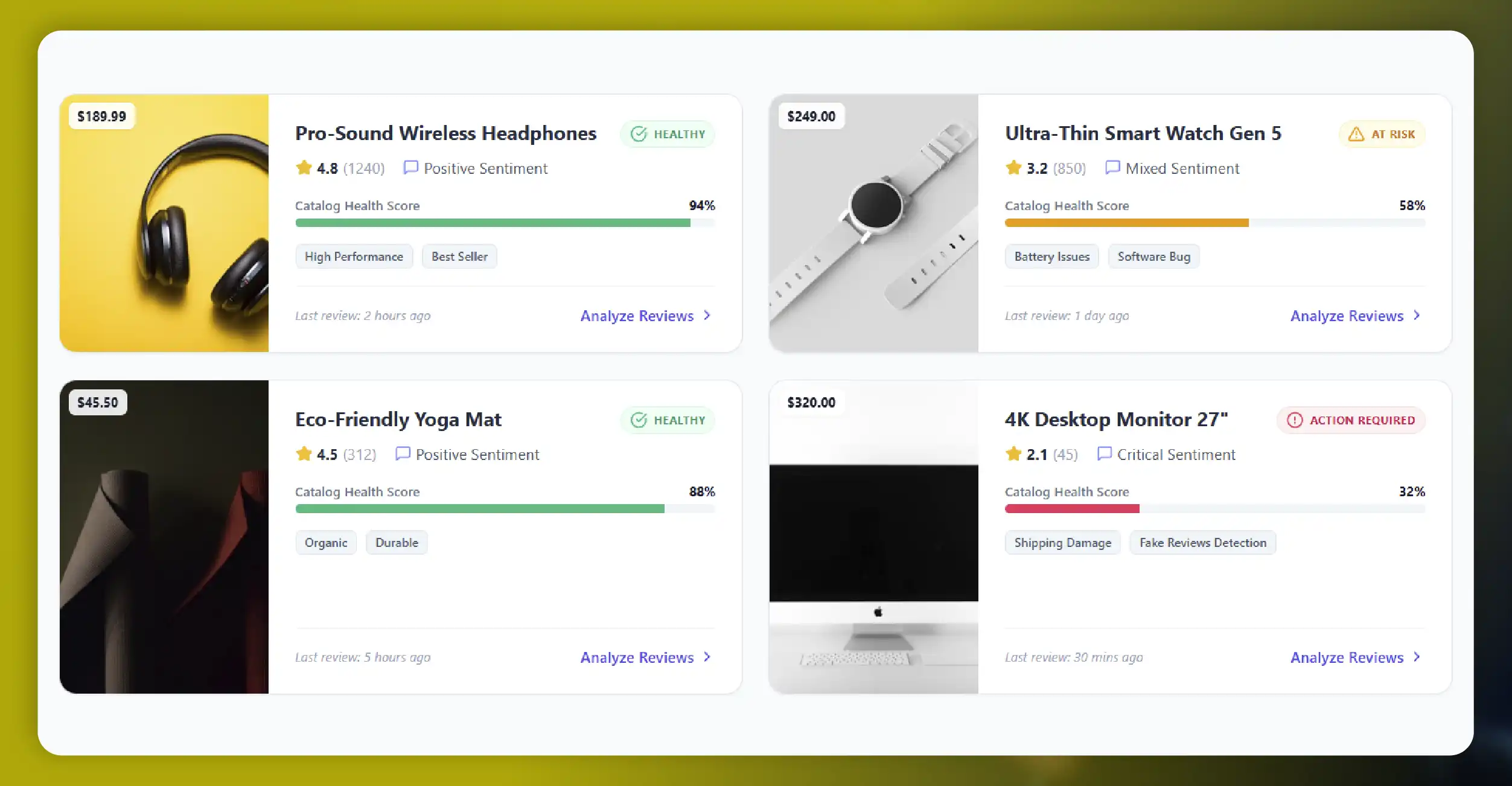
Customer feedback is a powerful driver of both visibility and conversions. Positive ratings and authentic reviews improve product credibility and influence purchasing decisions. On the other hand, negative or manipulated feedback can significantly harm performance.
The Ecommerce Product Ratings and Review Dataset allows businesses to understand customer sentiment and identify potential issues early. It also helps detect patterns of fake reviews or rating manipulation, enabling companies to maintain transparency and trust.
A strong review profile enhances both organic ranking and customer confidence, making it an integral part of catalog health.
A robust catalog health monitoring system combines continuous data collection with intelligent analytics. Instead of relying on manual checks, automated systems scan listings in real time and identify anomalies as they occur.
These systems provide actionable insights that help businesses optimize listings, improve visibility, and maintain compliance. They also enable faster decision-making by highlighting critical issues and prioritizing corrective actions.
An effective framework focuses on consistency, accuracy, and responsiveness. It ensures that listings remain aligned with platform requirements and customer expectations at all times.
Despite its importance, maintaining catalog health comes with several challenges. Managing large volumes of data across multiple platforms requires scalable solutions. Frequent changes in marketplace policies demand constant updates to monitoring systems.
Additionally, detecting subtle issues such as partial suppression or minor data inconsistencies can be complex. Businesses must invest in advanced tools and analytics to overcome these challenges and maintain high standards of catalog quality.
The future of catalog monitoring lies in automation and predictive intelligence. Advanced technologies will enable systems to identify potential issues before they occur, reducing the need for manual intervention.
Real-time monitoring will become more sophisticated, offering deeper insights into listing performance and customer behavior. As marketplaces evolve, businesses that adopt these innovations will be better positioned to maintain competitive advantage.
Real-Time Monitoring
Our data scraping services continuously track product listings, detecting suppression, errors, and visibility issues instantly to maintain optimal catalog performance.
Error Detection
We identify listing inconsistencies, missing attributes, and data inaccuracies, enabling quick fixes that improve search rankings and enhance product discoverability.
Duplicate Removal
Our solutions detect duplicate listings across platforms, helping consolidate product data, unify reviews, and strengthen overall catalog efficiency and performance.
Hijack Protection
We monitor unauthorized changes in listings, alerting businesses to potential hijacking activities and ensuring brand integrity and customer trust remain protected.
Actionable Insights
Our analytics provide meaningful insights on listing performance, customer feedback, and trends, helping businesses make informed decisions and optimize catalog strategies.
E-commerce success depends heavily on the quality and reliability of product listings. From suppression and duplication to hijacking and review management, every aspect of catalog health plays a role in determining performance. Businesses that prioritize monitoring gain better control over their listings and achieve more consistent results.
By leveraging advanced E-Commerce Data Scraping Services, organizations can access detailed insights into their catalog performance and marketplace dynamics. The integration of Web Scraping API Services enables real-time tracking and automation, while scalable Web Scraping Services ensure accurate and continuous data collection.
In an environment where even small listing issues can lead to significant revenue loss, maintaining strong catalog health is not just a technical requirement—it is a strategic necessity for long-term growth.
Experience top-notch web scraping service and mobile app scraping solutions with iWeb Data Scraping. Our skilled team excels in extracting various data sets, including retail store locations and beyond. Connect with us today to learn how our customized services can address your unique project needs, delivering the highest efficiency and dependability for all your data requirements.
Catalog health monitoring is the process of continuously evaluating product listings to ensure accuracy, completeness, and compliance. It helps businesses identify issues like missing attributes, incorrect data, or suppressed listings that can impact visibility and sales performance.
Listing suppression typically occurs due to incomplete product information, policy violations, poor-quality images, incorrect categorization, or pricing inconsistencies. Platforms hide such listings from search results until the issues are resolved.
Businesses can detect duplicate listings by analyzing product identifiers such as SKU, title, and attributes using data scraping and monitoring tools. This helps consolidate listings, improve ranking, and avoid fragmented customer engagement.
Listing hijacking happens when unauthorized sellers modify or take control of an existing product listing. It can be prevented through continuous monitoring, detecting unusual changes in pricing or content, and taking immediate corrective action.
Ratings and reviews influence both customer trust and search rankings. Positive feedback improves conversion rates, while negative or fake reviews can harm visibility. Monitoring review data helps maintain product credibility and performance.